Zegna Baruffa Lane Borgosesia continues to pursue a growth model founded on the integration of innovation, environmental protection, and social responsibility. Throughout 2025, this approach translated into concrete initiatives aimed at strengthening process sustainability, enhancing human resources, and developing an increasingly transparent and responsible supply chain. This path is guided by an ESG-oriented vision that continues to direct corporate strategies towards conscious, long-term growth.
Zegna Baruffa Lane Borgosesia continues to pursue a growth model founded on the integration of innovation, environmental protection, and social responsibility. Throughout 2025, this approach translated into concrete initiatives aimed at strengthening process sustainability, enhancing human resources, and developing an increasingly transparent and responsible supply chain. This path is guided by an ESG-oriented vision that continues to direct corporate strategies towards conscious, long-term growth.
Zegna Baruffa Lane Borgosesia progresses its sustainable innovation journey by researching new fibres and technologies capable of combining performance, quality, and environmental impact reduction. In collaboration with Spiber, the Company continues to experiment with the biotechnological fibre Brewed Protein™, obtained via microbial fermentation from renewable resources, with the goal of developing next-generation yarns. In parallel, a partnership with Itoitex was launched to integrate Washi natural fibre into spinning processes, prioritising lightweight, breathable materials from renewable sources. In 2025, the Company maintained the “EXCELLENCE” level in the CHEM 4 Sustainability protocol and continued its path within the ZDHC “Supplier to Zero” programme.
Commitment to the Environment
Zegna Baruffa Lane Borgosesia continues to invest in reducing the environmental impact of its production activities through an approach focused on efficiency and performance monitoring across the entire supply chain. In 2025, 98% of the raw materials purchased were of renewable origin, while electricity consumption per unit of product decreased by 9%, accompanied by a 14% drop in water withdrawal compared to 2024. Furthermore, 90% of the waste generated is destined for recycling, reuse, or material recovery. During the year, decarbonisation and energy efficiency projects also continued, alongside the completion of the Organisational Environmental Footprint and the Product Environmental Footprint calculations for Cashwool®. This path confirms the Company’s commitment to increasingly scientific, transparent, and continuous improvement-oriented environmental reporting.
An Increasingly Sustainable Sourcing
In 2025, Zegna Baruffa Lane Borgosesia achieved the “EXCELLENCE” level of the 4 Sustainability Chain certification, consolidating its process of monitoring and measuring environmental impacts along the supply chain. This result was achieved by verifying strategic suppliers’ data with the support of 4sustainability and through an increasingly data-driven approach to supply chain management. Concurrently, 42% of orders consisted of products made with raw materials certified under recognised sustainability standards, including RWS, Nativa Precious Fiber, Engraw Land to Market, and SFA Cashmere, confirming the commitment to an increasingly transparent and responsible supply chain.
People and the Local Community
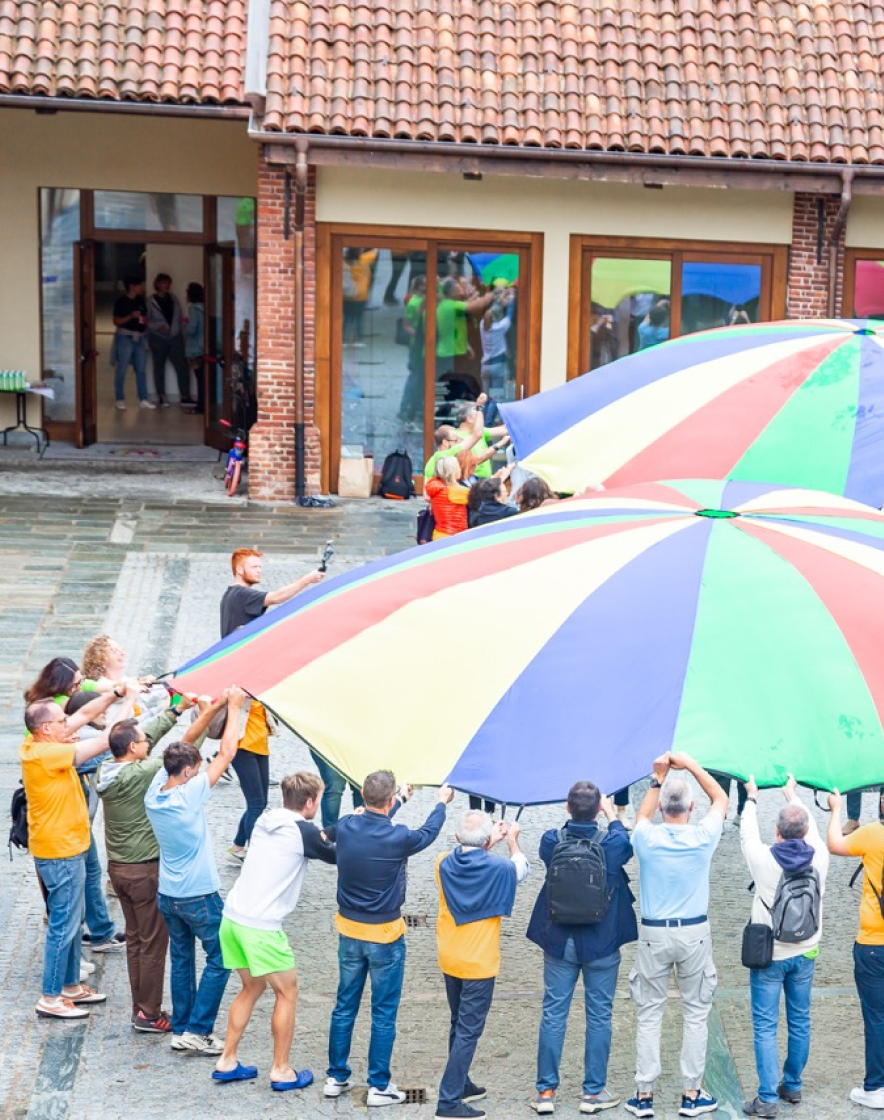
During the year, Zegna Baruffa Lane Borgosesia further strengthened its bond with the local area through social initiatives and collaborations aimed at enhancing people and the local community. These include the partnership with Cascina Oremo, an organisation committed to individual development and inclusion in the Biella area, and support for the “I Bambini delle Fate” project, dedicated to supporting social inclusion pathways for children and young people with autism and disabilities. The Company also continues to promote a work environment based on dialogue, participation, and sharing, including through internal communication tools capable of actively engaging people. In this context, “Filo” was created—an intercompany communication project developed to encourage discussion, strengthen the sense of belonging, and create increasingly solid connections among employees.
This area is reserved for company employees and staff.
If you want to get to know the world of Zegna Baruffa Lane Borgosesia more closely, continue browsing the site.
This area is reserved for company employees and staff.
If you want to get to know the world of Zegna Baruffa Lane Borgosesia more closely, continue browsing the site.